Psilocybe natalensis Spores: Syringes, Prints & Isolates
Psilocybe natalensis was described in 1995 from KwaZulu-Natal in South Africa, where it grows on dung in grassland. It is close to Psilocybe cubensis and the two are often confused, both in the field and on vendor lists. The species name refers to the Natal region rather than to any breeder or strain.
Microscopists collect it for its distinct morphology: the fruit is typically paler, with a whiter cap and stem than a standard cubensis, and the literature notes fast growth, which is part of why it has become popular. The print is purple-brown, and the spores are subellipsoid in a similar size range to cubensis, so identification relies on the whole specimen rather than spores alone. Labels usually state the collection and whether the syringe is multispore or an isolate.
- Species: Psilocybe natalensis
- Described: 1995, KwaZulu-Natal, South Africa
- Spore print: purple-brown
- Often confused with: Psilocybe cubensis
- Also sold as: multispore and isolate syringes, prints
Psilocybe natalensis listings from 5 vendors
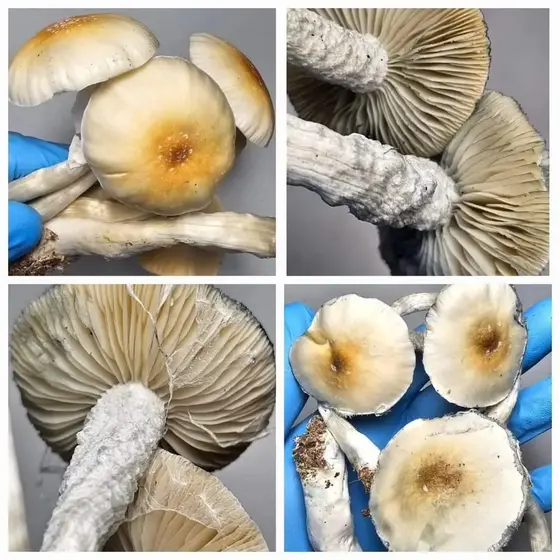 Natal Hills Research PlateFungus Frequency · United States$20.00
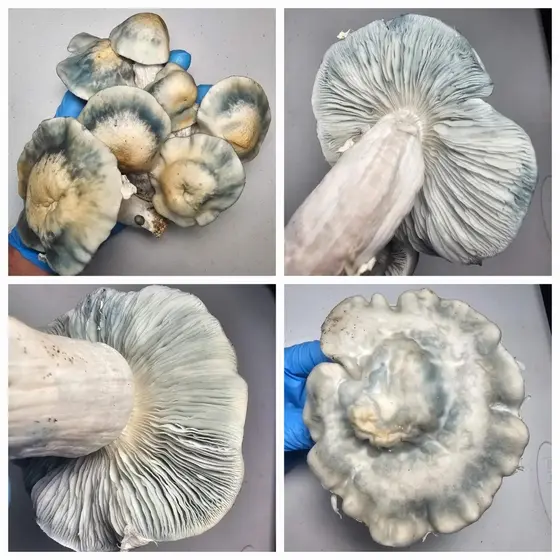 Natal Moon Research PlateFungus Frequency · United States$20.00
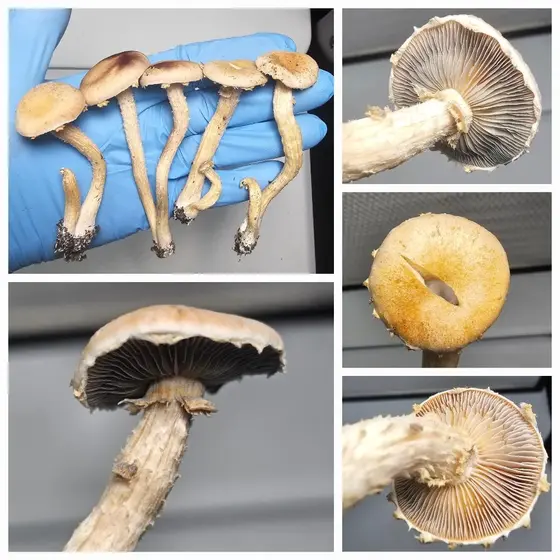 Psilocybe Natalensis Research PlateFungus Frequency · United States$20.00
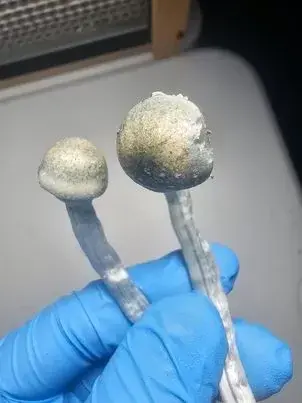 Psilocybe Ochraceocentrata (Aff. Natalensis) Black Cap Research PlateFungus Frequency · United States$20.00
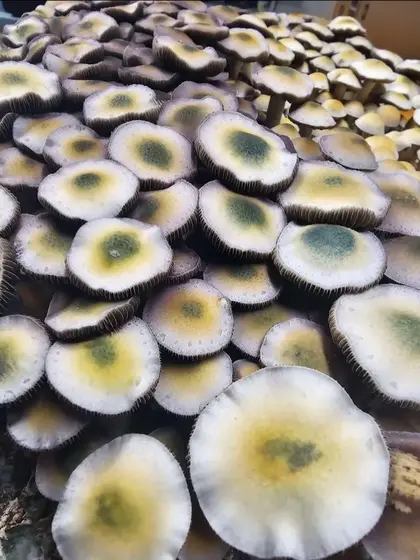 Psilocybe Ochraceocentrata (Aff. Natalensis) Green Cap Research PlateFungus Frequency · United States$20.00
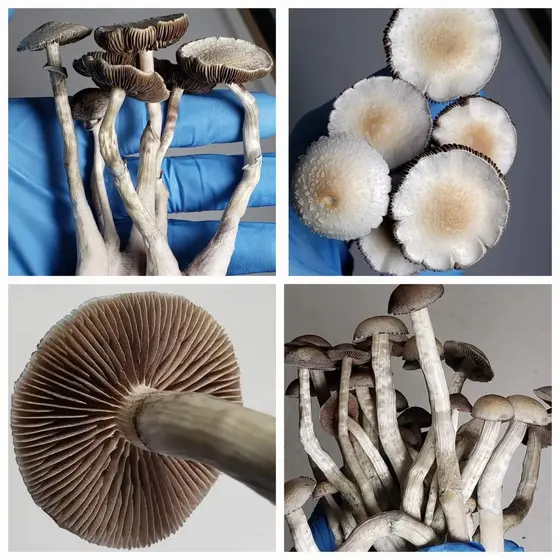 Psilocybe Ochraceocentrata (Aff. Natalensis) Research PlateFungus Frequency · United States$20.00
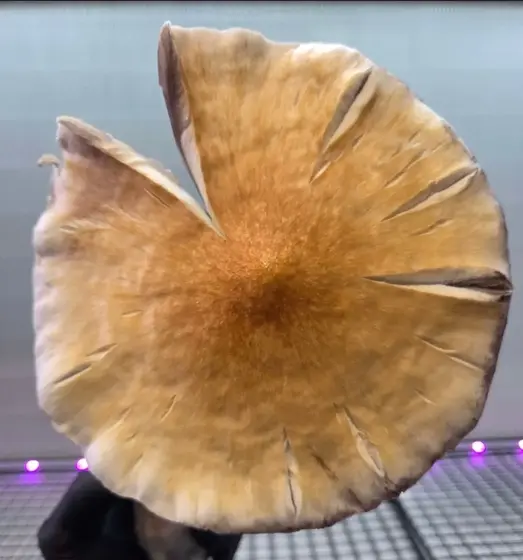 Golden Satelite (Golden Teacher x Natal Moon) 10cc Isolated Liquid CultureWhat The Fungi · AustraliaAUS$35.00
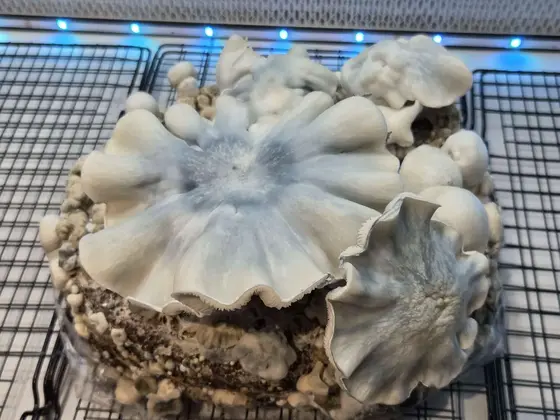 Natal Moon 315 - 10cc Isolated Liquid CultureWhat The Fungi · AustraliaAUS$35.00
 Natalensis isolated spore syringe 10mlKaiju Cultures · United Kingdom£20.00
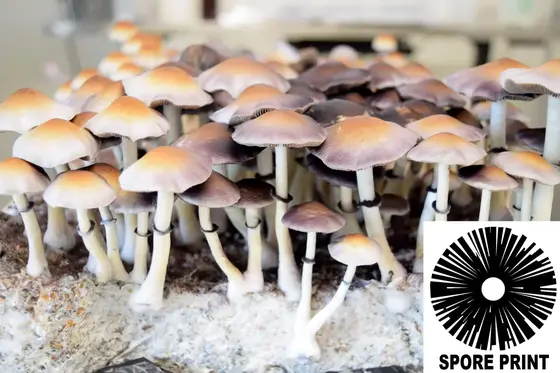 Psilocybe ochraceocentrata : Natal Super Strain Spore PrintSporeworks · United States$30.00
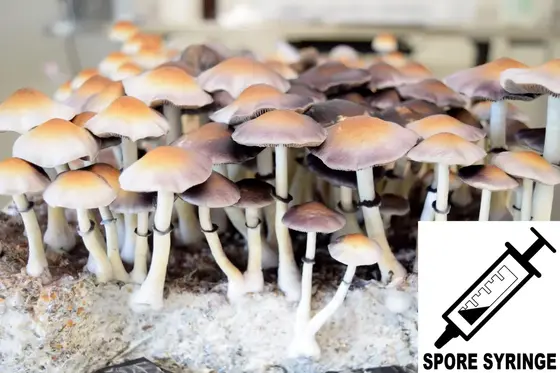 Psilocybe ochraceocentrata : Natal Super Strain Spore Syringe (MS)Sporeworks · United States$25.00
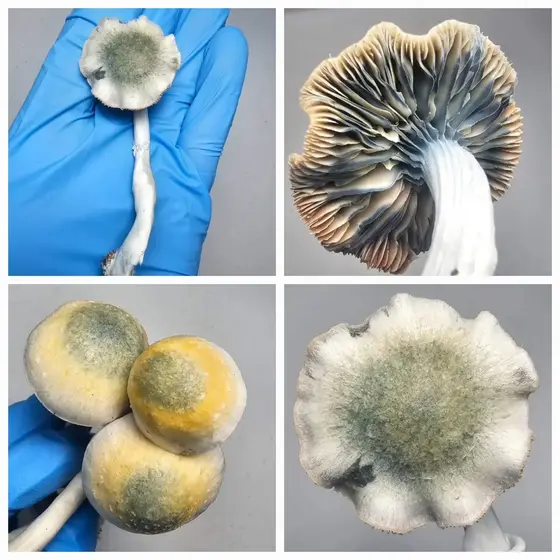 Psilocybe Ochraceocentrata (Aff Natalensis) Green Cap Liquid Culture Syringe 10mlFungus Frequency · United States$15.00
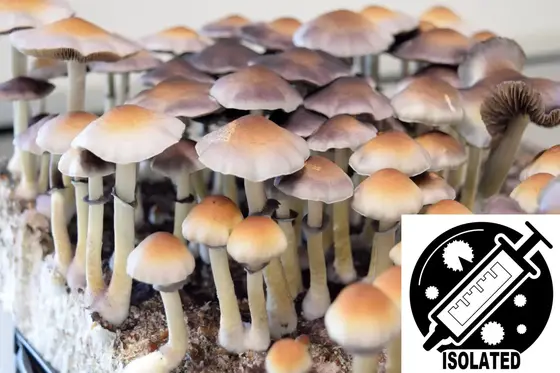 Psilocybe ochraceocentrata : Natal Super Strain Spore Isolate SyringeSporeworks · United States$25.00
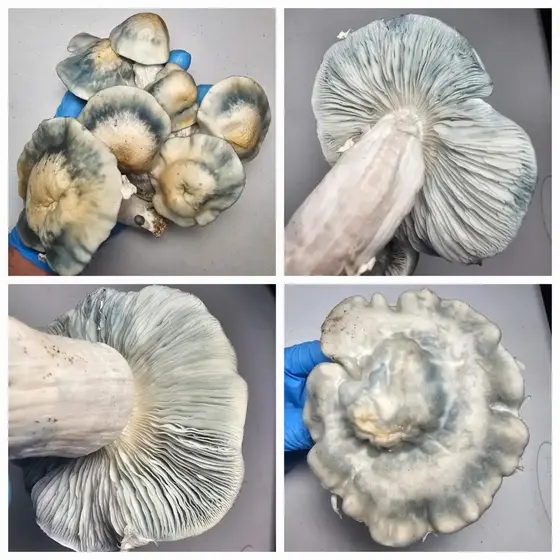 Natal Moon Liquid Culture Syringe 10mlFungus Frequency · United States$15.00
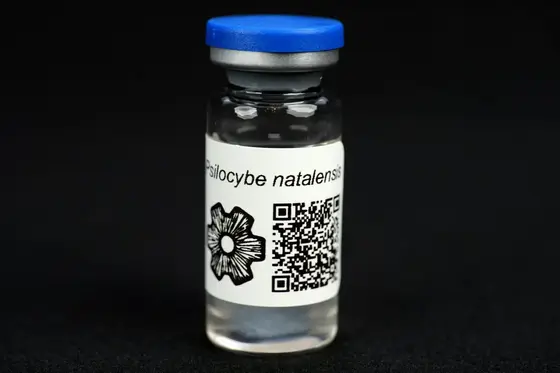 Psilocybe natalensis : MycoTrue(TM) Isolate VialSporeworks · United States$39.00
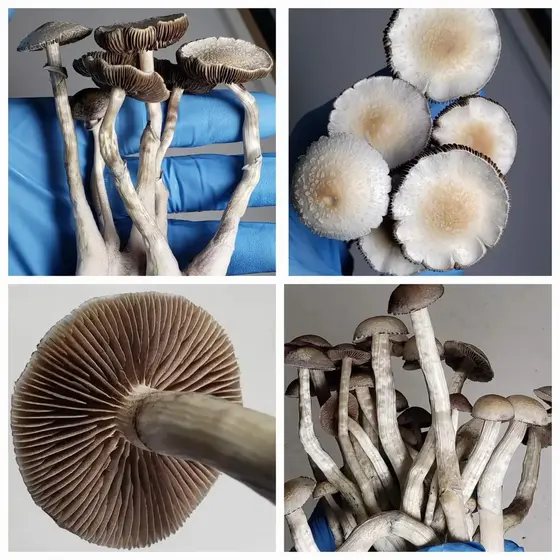 Psilocybe Ochraceocentrata (Aff Natalensis) Liquid Culture Syringe 10mlFungus Frequency · United States$15.00
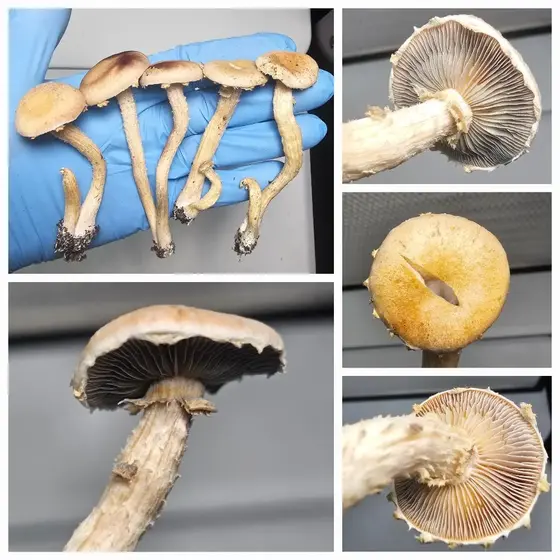 Psilocybe Natalensis Liquid Culture Syringe 10mlFungus Frequency · United States$20.00
![Golden Sattelite [GT x Natal Moon] Spore Syringe 10ml by MycoWorld](https://www.culturecave.store/thumbs/mw/wp-content/uploads/2026/05/1000043218-scaled.jpg.webp) Sold outGolden Sattelite [GT x Natal Moon] Spore Syringe 10mlMycoWorld · United Kingdom£20.00
Sold outGolden Sattelite [GT x Natal Moon] Spore Syringe 10mlMycoWorld · United Kingdom£20.00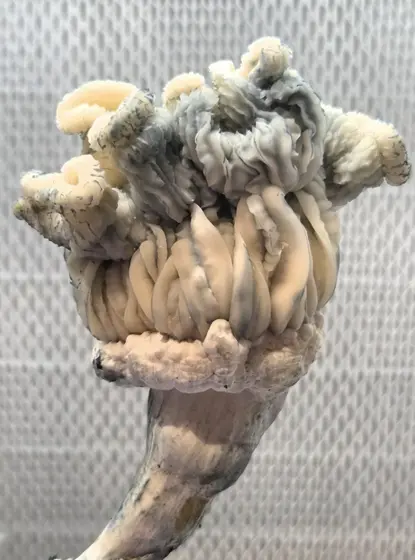 Sold outBrass Barnicles - (Chocolate Krinkle x Natal Moon) Spore SyringeMycoWorld · United Kingdom£20.00
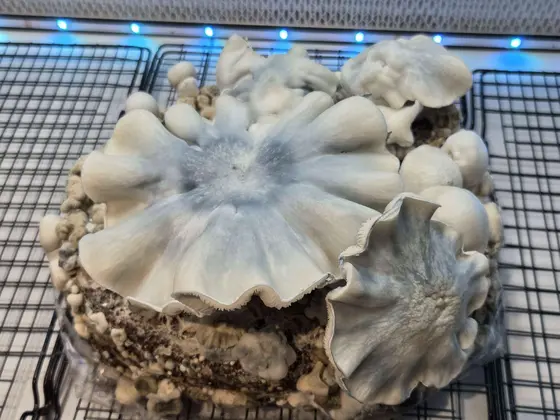 Sold outNatal Moon 315 - 10ml Spore SyringeMycoWorld · United Kingdom£20.00
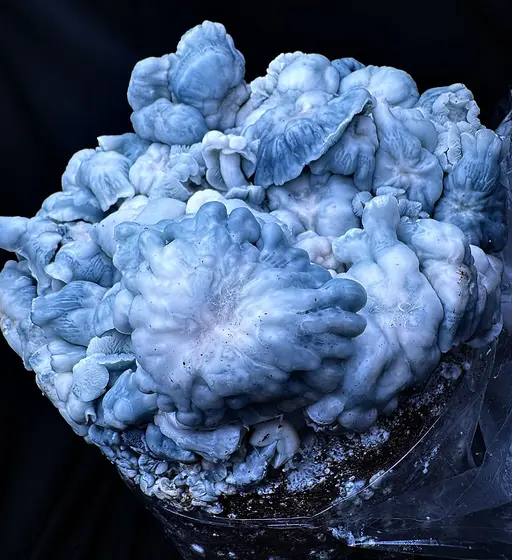 Sold outBlue Voodoo (Blue Ravioli x Natal Moon) iso Spore SyringeMycoWorld · United Kingdom£20.00
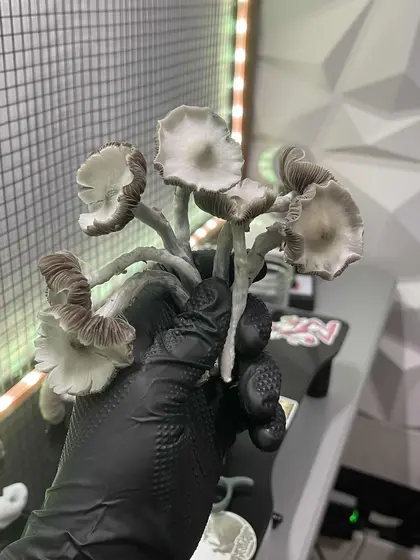 Sold outLeucistic Ochra (prev. Natalensis) Spore Syringe 10mlMycoWorld · United Kingdom£20.00
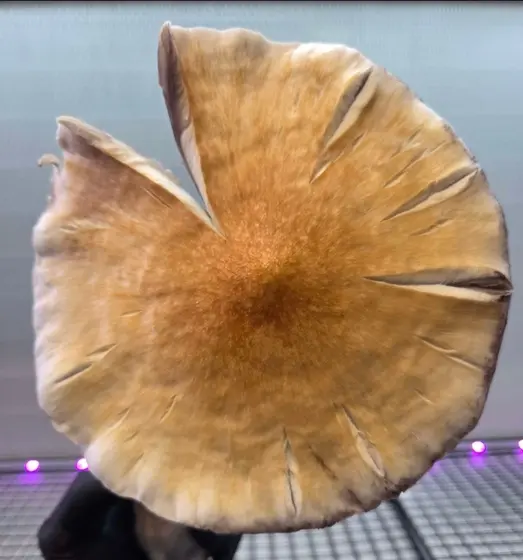 Sold outGolden Satelite (Golden Teacher x Natal Moon) 10cc Spore SyringeMycoWorld · United Kingdom£20.00
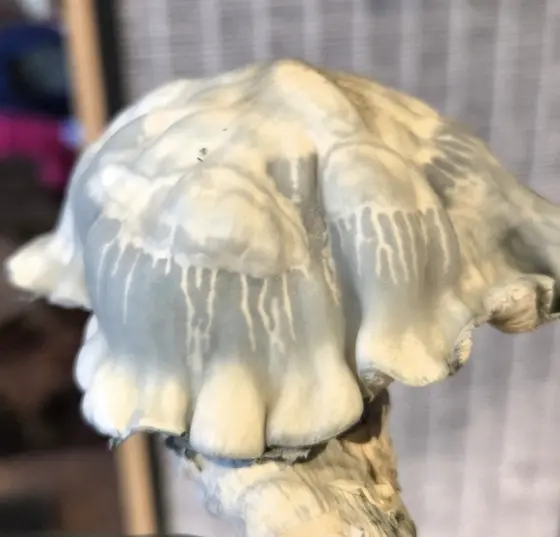 Sold outBlue Voodoo (Blue Ravioli x Natal Moon) 10cc Spore SyringeMycoWorld · United Kingdom£20.00Sold outBrass Barnicles - (Chocolate Krinkle x Natal Moon) Spore SyringeMycoWorld · United Kingdom£20.00
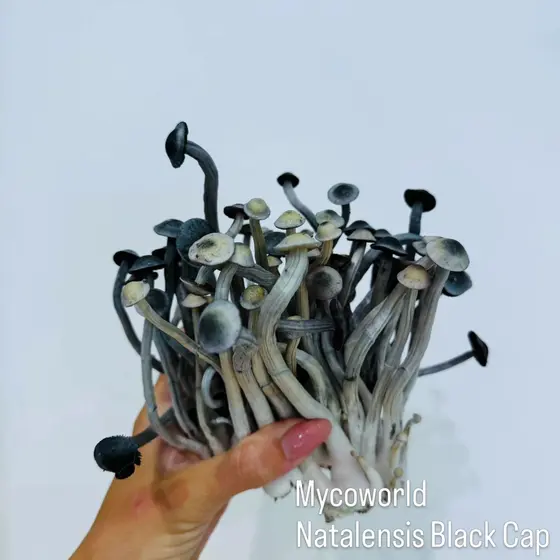 Sold outP Ochra (Natalensis) Black Cap Spore Syringe (Psilosaurus Iso)MycoWorld · United Kingdom£20.00Sold outNatal Moon 315 - 10ml Spore SyringeMycoWorld · United Kingdom£20.00
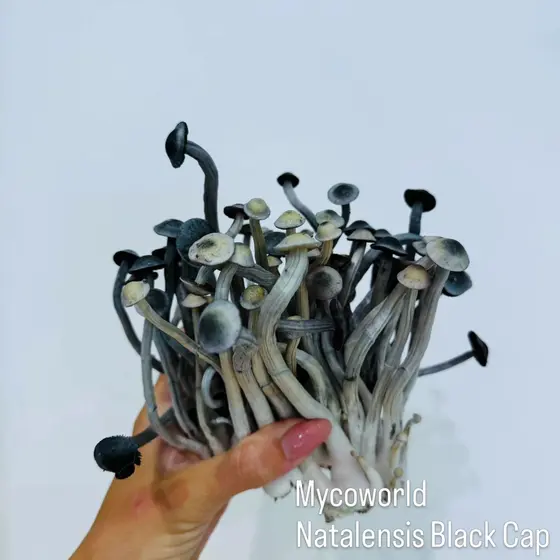 Sold outP Ochra (prev. Natalensis) Black CapMycoWorld · United Kingdom£20.00
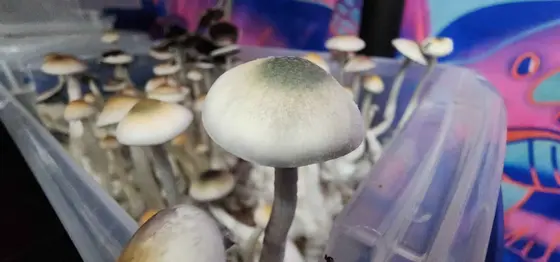 Sold outNatalensis Green CapMycoWorld · United Kingdom£20.00
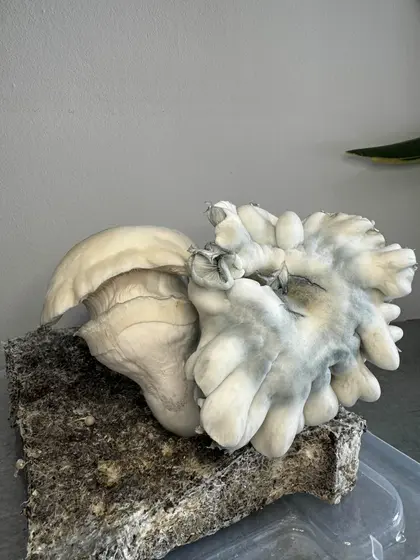 Sold outNatal Moon (P Natalensis x Phobos) Spore Syringe 10mlMycoWorld · United Kingdom£20.00
Vendors stocking Psilocybe natalensis
Related strains and species
Buying Psilocybe natalensis spores for microscopy
Every Psilocybe natalensis listing above comes from an independent vendor who prepared it, and the vendor's country, shipping regions and real customer reviews are on their store page. Labels tell you what you are getting: a multispore syringe carries many genetic individuals, an isolate (ISO) is a single worked line, and prints and swabs are the dry, long-life formats. Isolated vs multispore syringes explains the difference, how to store spore syringes covers shelf life, and how to use a spore syringe for microscopy walks through the slide. Buying in the UK? Read are mushroom spores legal in the UK. In the United States, see the state by state guide.
Compare this variety with the rest of the cubensis library, browse every spore syringe on the platform, or see all strains.
All Psilocybe and Panaeolus spores on Culture Cave are sold for microscopy and taxonomy use only. Cultivation of controlled species is illegal in most places and is not supported on this platform. Buyers must be 18 or over and are responsible for knowing their local law.